By, Amos Ebute Mathew
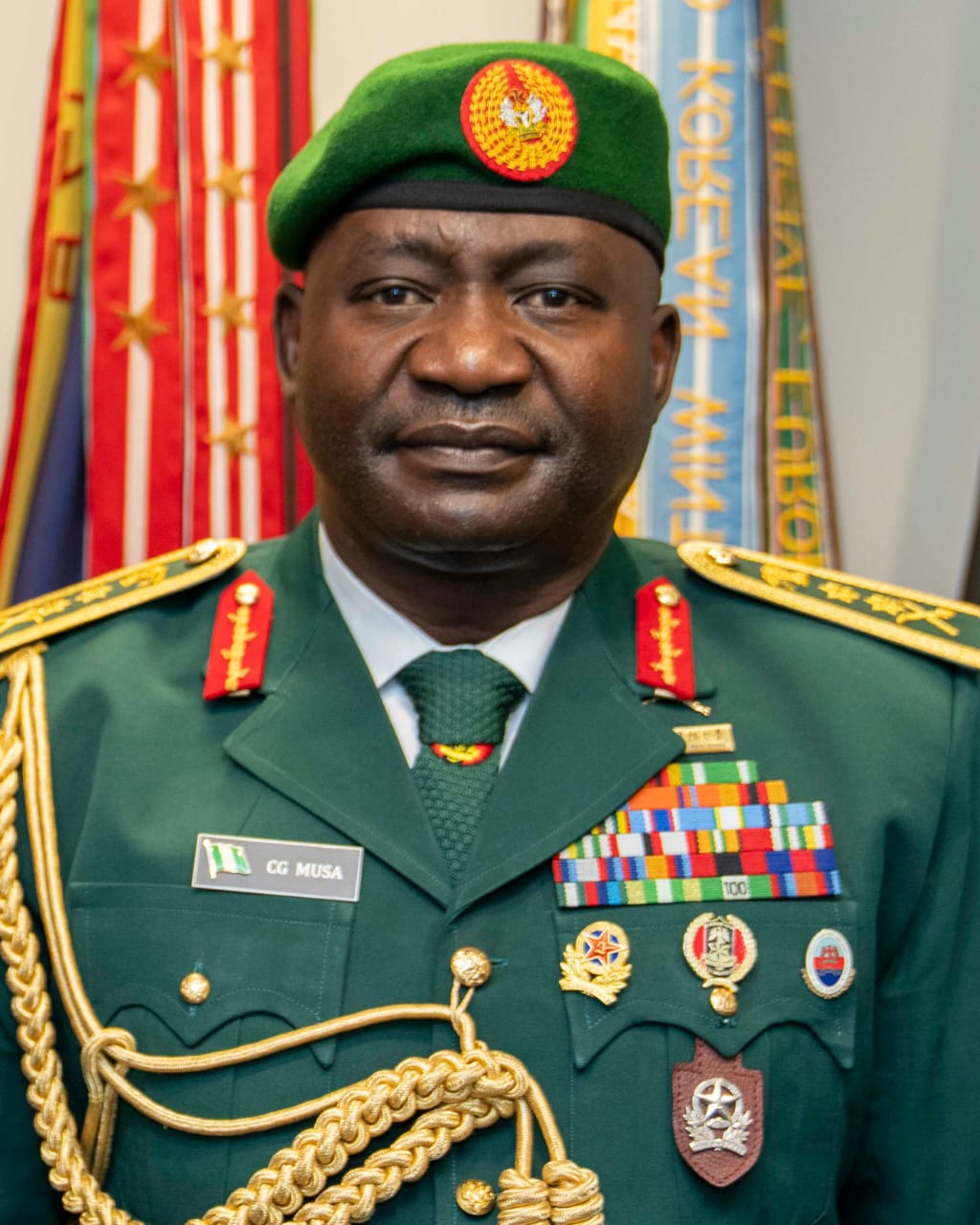
When President Bola Ahmed Tinubu announced the change of service chiefs, few expected the level of public reaction that followed the removal of General Christopher Gwabin Musa as Chief of Defence Staff (CDS). Nigerians, from the North to the South, poured out glowing tributes, a rare show of affection for a military leader in recent history.
The question many have asked is, why does General Musa’s exit feel so different?
Unlike many of his predecessors, General Musa’s tenure as CDS was defined by a mix of professionalism, humility, and commitment to national unity.
He was not only a soldier on the field but also a bridge-builder who understood that winning the war against insecurity required both courage and compassion.
His leadership style reflected inclusiveness, he was known as a detribalised Nigerian, one who treated officers and citizens alike without bias for region, religion, or rank.
During his time as Chief of Defence Staff, General Musa strengthened synergy among the various arms of the military, improved troop morale, and encouraged civil-military cooperation.
His operational strategies helped reduce incidents of terrorism, banditry, and kidnapping in key hotspots across the country.
Many Nigerians recall how he often visited the frontlines himself, boosting the confidence of troops and reassuring communities that the Armed Forces remained committed to their safety.
What made him stand out even more was his character, discipline without arrogance, firmness without cruelty, and leadership without favoritism.
His calm disposition and open communication style earned him respect across political and social divides. It is therefore no surprise that Kaduna State Governor, Senator Uba Sani, described him as “a gallant officer, a patriot, and a loyal servant of Nigeria who gave his all for the peace and stability of the nation.”
General Christopher Musa’s legacy goes beyond military success; it is about service rooted in humanity. He will be remembered as a soldier who led with integrity, inspired his men by example, and remained focused on national interest above personal ambition.
While many chiefs before him served dutifully, few connected so deeply with the hearts of ordinary Nigerians. That is why his removal generated unusual concern because for once, the people saw in a uniformed officer a true reflection of the values they desire in leadership: honesty, humility, and dedication to the unity of Nigeria.
In retirement, General Musa leaves behind not just a record of achievements but also a legacy of honor and professionalism that will continue to inspire generations of officers and citizens alike.